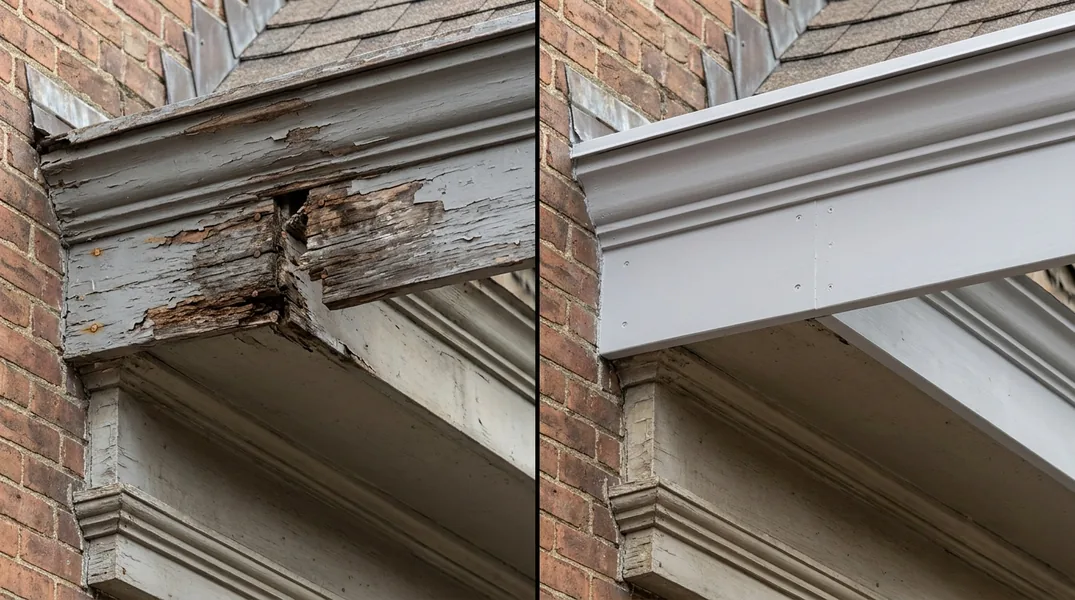
Why Richmond Rowhouses Are Especially Vulnerable to Wood Rot
Richmond's iconic rowhouses are architectural treasures, but their age and construction style make them prime candidates for wood rot. Most of these homes were built between the 1890s and 1960s, when building codes were far less stringent and moisture barriers weren't standard. The brick facades and shared walls that give these homes their character also trap moisture and create ideal conditions for fungal decay.
The Mid-Atlantic climate compounds the problem. Richmond experiences hot, humid summers and freeze-thaw cycles in winter that cause wood to expand and contract repeatedly. This movement creates tiny cracks in paint and sealant, allowing water to penetrate deep into the structural wood. Once moisture gets inside, wood rot isn't far behind. The longer a rowhouse sits without proper maintenance, the more vulnerable it becomes to both dry rot and wet rot, which can compromise the integrity of floors, walls, and even the foundation.
Storm Damage and Flood Damage: The Fast Track to Wood Rot
Wood Rot & Dry Rot Repair becomes urgent after severe weather. Richmond sits in a region prone to heavy rainfall, nor'easters, and occasional hurricanes. When storm damage repair isn't addressed quickly, water intrusion accelerates wood decay exponentially. A single breach in a roof, damaged gutter, or compromised window frame can allow gallons of water into your home each time it rains.
Flood damage wood repair is equally critical. Rowhouses with basements are particularly at risk during heavy downpours or when groundwater levels rise. Wood that has been submerged or saturated for more than 48 hours begins to break down rapidly. Mold colonizes the wet wood, and fungal decay spreads through the structure. The longer the wood remains damp, the more extensive the damage becomes. This is why immediate action after flooding or storm damage is essential. Waiting even a few weeks can turn a manageable repair into a major structural problem requiring extensive restoration.
Common Areas Where Wood Rot Develops in Older Rowhouses
Certain parts of rowhouses are more susceptible to wood rot than others. The areas where wood meets masonry are particularly vulnerable. Sills, headers, and rim joists absorb moisture from the surrounding brick, and if the mortar is failing or the brick is porous, water wicks directly into the wood. Basement rim joists, which sit at the junction of the foundation wall and the first floor, are notorious trouble spots. These components support the entire weight of the house, making their deterioration a serious structural concern.
Roof penetrations and gutters are another common source of rot. Flashing that has pulled away from the brick, missing caulk around chimneys, and clogged gutters allow water to run down the exterior walls and into the wood framing. Interior wood rot often starts in these hidden areas, where homeowners can't see the damage developing. By the time rot becomes visible on the surface, it may have already compromised the structural integrity of Floor Joist & Subfloor Repair areas or load-bearing elements. Regular inspections and prompt repairs of gutters, flashing, and exterior caulking can prevent years of damage.
How to Spot Wood Rot Before It Becomes a Major Problem
Early detection is your best defense against expensive repairs. Wood rot typically announces itself through visual and tactile signs. Soft spots in wood, discoloration (ranging from light tan to dark brown or black), and peeling paint are common warning signs. If you press a screwdriver or awl into suspect wood and it sinks in easily, you've found rot. Dry rot, which is less obvious than wet rot, may show as wood that appears shrunken, cracked in a cubic pattern, or covered in white or gray fungal threads.
Pay special attention to areas that stay damp or are prone to water exposure. Check basement walls where they meet the wood frame, the underside of roof overhangs, window sills and frames, exterior door frames, and any place where wood touches masonry. Listen for signs too. Soft, crumbly wood makes a different sound when tapped than solid wood. If you notice musty odors in your home, especially in basements or lower levels, that's another red flag. Don't wait for visible damage to spread. A small area of rot caught early can often be repaired with targeted intervention, but neglected rot can spread through an entire joist or wall assembly, requiring more invasive and expensive work.
Professional Wood Rot & Dry Rot Repair Near Me: When to Call a Pro
While minor surface rot might seem like a DIY project, structural wood rot almost always requires professional assessment and repair. Wood Rot & Dry Rot Repair demands expertise in identifying the extent of decay, determining the best repair method, and ensuring the structural integrity of your home. A professional carpenter can assess whether wood needs to be replaced entirely, reinforced, or treated, and they understand local building codes and best practices for moisture control that prevent recurrence.
Richmond Carpentry specializes in wood rot repair for older homes and understands the unique challenges that rowhouses present. When you're dealing with rot in load-bearing walls, floor joists, or other critical structural elements, professional work isn't just recommended, it's essential for safety. Richmond Carpentry can evaluate your situation and provide a clear plan for restoration. If you've noticed signs of rot in your home, reach out to Richmond Carpentry at (804) 593-0473 or request a free estimate to understand the scope of the work needed.
Prevention: The Best Strategy for Richmond Rowhouse Owners
The most cost-effective approach to wood rot is prevention. Maintaining your rowhouse's exterior is the first line of defense. Keep gutters clean and in good repair so water flows away from the house rather than running down the walls. Inspect and repair flashing around chimneys, roof penetrations, and where additions meet the main structure. Caulk gaps around windows and doors, and maintain the exterior paint and sealant. These relatively inexpensive steps can add decades to your home's lifespan and save you thousands in repair costs.
Interior moisture control matters too. Ensure your basement or crawlspace has adequate drainage and ventilation. Use dehumidifiers in damp areas, and address any plumbing leaks promptly. If you've experienced storm damage or flooding, don't delay in addressing water intrusion. The faster you dry out wet wood and repair the source of the moisture, the better your chances of avoiding extensive rot. If you're unsure about the condition of your home's structural wood or need advice on preventive maintenance, Richmond Carpentry can help. Contact us at (804) 593-0473 to discuss your home's specific needs and learn what steps will best protect your investment.
Looking for a professional carpentry contractor in Richmond? Richmond Carpentry responds fast for all your carpentry needs.
Get a Free QuoteOur services: Wood Rot & Dry Rot Repair · Termite Damage Repair · Floor Joist & Subfloor Repair