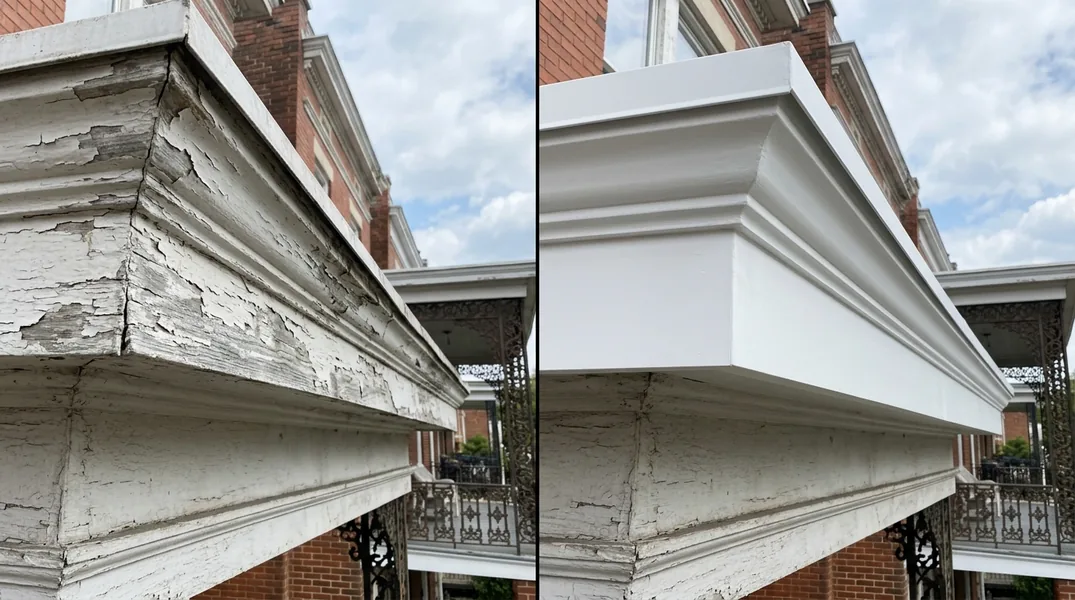
Why Historic Richmond Homes Are Especially Vulnerable to Wood Damage
If you own a Victorian rowhouse in the Fan District or a Church Hill townhouse, you already know that historic charm comes with historic responsibility. These homes, many built between 1880 and 1920, were constructed with materials and techniques that are fundamentally different from modern construction. The original wood framing, siding, and structural elements have weathered over a century of Richmond's humid summers and freeze-thaw winters, creating the perfect environment for wood deterioration.
The culprit isn't always obvious. While many homeowners assume wood rot happens only in obviously wet areas, the truth is more insidious. Historic rowhouses often have compromised exterior envelopes, aging roofing systems, and foundation issues that allow moisture to penetrate deep into structural cavities. The old-growth timber used in these homes, while beautiful and durable in its day, can absorb and retain moisture in ways that modern kiln-dried lumber cannot. This moisture, combined with poor ventilation in walls and crawl spaces, creates ideal conditions for both wet rot and dry rot to flourish silently behind your walls.
Understanding Wood Rot vs. Dry Rot: What's Actually Happening in Your Walls
Many homeowners use the terms interchangeably, but wood rot and dry rot are distinctly different problems that require different solutions. Wet rot, the more common form in Richmond, occurs when wood moisture content exceeds 20 percent. It tends to be localized around the source of moisture, whether that's a roof leak, plumbing issue, or foundation seepage. You can often see wet rot developing: the wood becomes soft and spongy, may turn dark brown or black, and typically has a musty smell. The good news is that if you eliminate the moisture source, you can stop wet rot in its tracks.
Dry rot is the ghost in the machine. This fungal decay can spread through wood even when moisture levels seem normal, traveling through masonry and other materials to infect wood far from the original moisture source. It's called dry rot because the wood appears dry to the touch, yet the fungus is actively destroying its structural integrity from within. By the time you notice dry rot, it has often spread extensively. This is why Wood Rot & Dry Rot Repair in historic homes demands professional expertise and often requires more extensive intervention than homeowners anticipate.
The Hidden Culprits: Common Moisture Sources in Victorian and Church Hill Townhouses
Before you can address wood rot, you need to understand where the moisture is coming from. In Victorian rowhouses, the usual suspects are roof leaks around chimneys and valleys, deteriorated mortar joints that allow water to penetrate the masonry, and compromised flashing where additions meet the original structure. Many Church Hill townhouses have shallow roof pitches that don't shed water efficiently, particularly in heavy rain. The brick exterior, while attractive, can absorb water and transfer it directly into the wood frame behind it, especially if the mortar is old and crumbling.
Foundation issues are equally common. Historic homes often rest on stone or brick foundations without modern waterproofing. Groundwater, particularly in Richmond's clay-heavy soil, finds its way into crawl spaces and basements. Poor grading around the foundation, missing or ineffective gutters, and downspouts that discharge water too close to the house all contribute to chronic moisture problems. Interior plumbing leaks can also be devastating, especially in older homes where copper pipes have corroded or cast iron drains have deteriorated. A slow leak behind a wall can go unnoticed for months, creating the perfect environment for wood decay to establish itself.
Visual Warning Signs: What to Look For in Your Historic Home
Early detection is your best defense against expensive structural repairs. Start by examining your exterior wood siding, particularly around windows, doors, and where additions meet the original structure. Soft spots, paint that's peeling or bubbling, and wood that feels spongy when you press on it are immediate red flags. Look for visible fungal growth, which might appear as white, gray, or brown threads on the wood surface. In your attic, check the underside of roof decking and the tops of the exterior walls for water stains, discoloration, or that telltale musty smell that indicates active fungal growth.
Interior signs are equally important. Floors that feel spongy or bounce slightly when you walk on them may indicate Floor Joist & Subfloor Repair needs. Cracks in plaster that form in specific patterns, doors or windows that stick or won't close properly, and unexplained sagging in floors or ceilings all suggest underlying structural issues. In crawl spaces or basements, look for standing water, efflorescence (white salt deposits on masonry), and any visible wood damage. Don't ignore these signs hoping they'll go away. Wood decay progresses exponentially once it starts, and what might cost a few thousand dollars to repair today can become a five-figure problem within a year or two.
Historic Wood Siding Repair: Preserving Character While Ensuring Durability
One of the most visible concerns for Victorian and Church Hill homeowners is deteriorating exterior wood siding. Historic homes typically feature original wood cladding that's both beautiful and vulnerable. The challenge with wood siding repair on these properties is balancing preservation with practicality. Simply replacing damaged siding with modern materials can compromise the historic character that makes these homes valuable. However, leaving damaged siding in place guarantees that moisture problems will worsen.
The best approach involves selective repair and replacement. Boards that are superficially damaged can often be carefully repaired, with damaged sections cut out and new wood spliced in to match the original profile. This requires skilled carpentry and an understanding of historic construction techniques. When replacement is necessary, working with siding that matches the original profile, thickness, and wood species preserves the home's appearance while providing modern durability. This is not a DIY project. Professional assessment and execution are essential to ensure that repairs don't inadvertently trap moisture behind the siding or compromise the home's weather resistance.
When to Call a Professional: Wood Rot & Dry Rot Repair Near Me
If you've discovered signs of wood damage, the question isn't whether to call a professional but how quickly you can get someone to assess the situation. While minor surface damage might seem manageable, wood rot and dry rot are deceptive. What appears to be a localized problem on the surface often indicates extensive damage within the wood structure. Attempting to patch or paint over these issues without addressing the underlying cause is like putting a bandage on a wound that needs stitches. The problem will continue to spread, and the repair costs will multiply.
Richmond Carpentry specializes in diagnosing and repairing wood damage in historic homes throughout Richmond. Our team understands the unique challenges of Victorian and Church Hill properties and can provide honest assessments of what needs to be done and why. Whether you're dealing with rot in your siding, structural damage in your floor joists, or concerns about your foundation, we can help. Contact us at (804) 593-0473 or request a free estimate to discuss your specific situation. Early intervention can save you thousands of dollars and preserve your home's structural integrity.
Prevention: The Best Investment for Your Historic Home's Future
Once you've addressed existing damage, the focus shifts to prevention. For historic homeowners, this means establishing a regular maintenance routine and addressing small problems before they become large ones. Start with your roof. Have it professionally inspected every three to five years, and don't delay repairs when leaks are discovered. Check and clean gutters twice a year, ensuring water flows freely away from your home. Inspect your exterior siding annually, looking for paint failure, cracks, and soft spots. Address any issues promptly, as wood exposed to weather deteriorates quickly.
Interior maintenance matters too. Monitor your basement or crawl space for signs of moisture. Ensure your grading slopes away from your foundation, and consider installing or repairing gutters and downspouts if they're missing or ineffective. Have your plumbing inspected periodically, particularly if your home has original cast iron drains or older copper pipes. Maintain proper ventilation in your attic and crawl spaces to minimize moisture accumulation. These preventive measures require vigilance, but they're far less expensive than dealing with advanced wood rot or structural failure. When you own a piece of Richmond's architectural heritage, maintenance isn't optional; it's the price of stewardship.
Looking for a professional carpentry contractor in Richmond? Richmond Carpentry responds fast for all your carpentry needs.
Get a Free QuoteOur services: Wood Rot & Dry Rot Repair · Termite Damage Repair · Floor Joist & Subfloor Repair