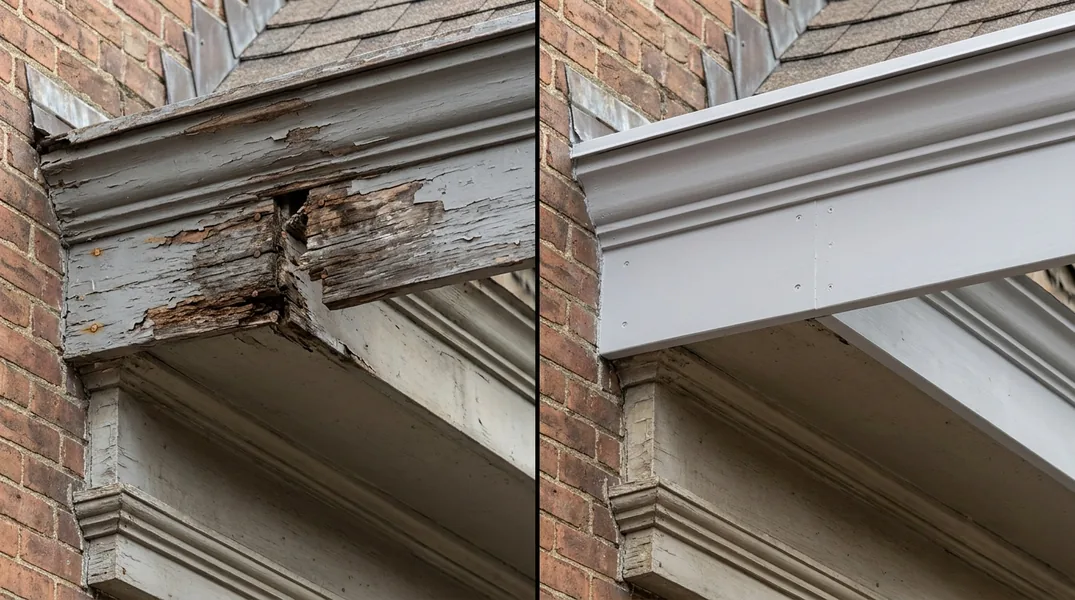
Is Wood Rot Covered by Homeowners Insurance?
One of the most common questions homeowners ask is whether their insurance policy will cover Wood Rot & Dry Rot Repair. The short answer is: it depends. Most standard homeowners insurance policies do not cover wood rot damage, even though it can be one of the most expensive structural problems to fix. Insurance companies typically classify wood rot as a maintenance issue rather than sudden, accidental damage, which means the burden falls on you as the homeowner to address it promptly.
The reason insurance companies exclude wood rot from coverage is that they view it as preventable through regular home maintenance. Wood rot develops over time when wood is exposed to moisture, poor ventilation, or inadequate upkeep. Because the damage is gradual rather than sudden, insurers argue that homeowners should have caught and prevented it earlier. This distinction is crucial to understand when you're filing a claim or evaluating your policy coverage in Richmond.
However, there are exceptions to this rule. If wood rot develops as a direct result of a covered peril, such as a sudden pipe burst or a roof collapse from a storm, your insurance might cover the resulting rot damage. In these cases, the rot is considered a secondary consequence of an insured event rather than a standalone maintenance failure. It's essential to review your specific policy language or speak with your insurance agent to understand what scenarios might qualify for coverage.
Understanding Flood Damage Insurance Claims
Flood damage is another critical concern for homeowners, and it's treated very differently from wood rot in the insurance world. Standard homeowners insurance policies almost never cover flood damage, regardless of the cause. This is a major gap in coverage that surprises many homeowners who assume their policy protects them from all water-related disasters. If your home experiences flooding from heavy rain, overflowing rivers, storm surge, or groundwater, you will need a separate flood insurance policy to recover your losses.
Flood insurance is available through the National Flood Insurance Program (NFIP) or private insurers, and it's designed to cover damage caused by water rising above normal levels. If you live in a flood-prone area of Richmond, your mortgage lender will likely require you to carry flood insurance. Even if you're not in a designated flood zone, purchasing flood insurance is often a wise investment, as flooding can occur in unexpected areas during severe weather events. When filing a flood damage insurance claim, documentation is essential. You'll need photos, videos, and receipts showing the extent of the damage and the cost of repairs or replacements.
The claims process for flood damage can be lengthy and complex. Adjusters will inspect your property to assess the damage and determine the payout amount based on your policy limits and deductible. It's important to act quickly after a flood, as mold can develop within 24 to 48 hours, which may complicate your claim and increase repair costs. If you're dealing with significant flood-related structural damage, professional assessment and repair are critical to preventing further deterioration.
When Wood Rot Results from a Covered Water Damage Event
While wood rot itself typically isn't covered, the situation changes when rot develops as a secondary consequence of a covered water damage event. For example, if a burst pipe or faulty plumbing causes water damage to your home, and that water subsequently causes wood rot in your framing or subfloors, your homeowners insurance may cover the entire chain of damage. This is where the distinction between the primary cause and secondary damage becomes important for your insurance claim.
Similarly, if a roof leak caused by a covered peril, such as wind or hail damage from a storm, allows water to seep into your attic and cause rot in your roof framing or rafters, your policy should cover the repair. The key is that the water intrusion must result from a sudden, accidental event covered under your policy. If the roof leak developed gradually due to poor maintenance or age, your insurer will likely deny the claim, even if wood rot is present.
To maximize your chances of a successful claim in these scenarios, document everything. Take photos of the water damage, the resulting rot, and any evidence of the triggering event. Contact your insurance company promptly and provide a detailed account of what happened. If you need professional assessment and repair, contact Richmond Carpentry for a free estimate. We can provide documentation and expert testimony that may support your insurance claim while ensuring your structural damage is properly repaired.
How to File a Wood Rot or Flood Damage Insurance Claim
Filing an insurance claim for wood rot or flood damage requires careful attention to detail and prompt action. Begin by reviewing your policy to understand what is and isn't covered. Look for specific language about water damage, maintenance, and any exclusions that might apply to your situation. If you're unsure about coverage, contact your insurance agent before filing a claim. They can clarify whether your specific damage qualifies and what documentation you'll need to support your claim.
Next, document the damage thoroughly. Take clear photos and videos from multiple angles, showing both the damage itself and the surrounding area for context. If possible, capture images that show the progression of the damage or evidence of the underlying cause. Keep all receipts, repair estimates, and invoices related to the damage. For flood damage, note the date and time the flooding occurred, the water level it reached, and any environmental factors that contributed to it. Write a detailed narrative describing what happened, when you discovered the damage, and the steps you've taken to prevent further deterioration.
When you contact your insurance company, have all your documentation ready. File your claim as soon as possible, as most policies have time limits for claim submission. An adjuster will be assigned to inspect your property and assess the damage. Be present during the inspection to answer questions and point out areas of concern. If you believe the adjuster's assessment is inaccurate, you have the right to request an independent inspection or hire a professional to provide a second opinion. For complex structural damage involving wood rot, hiring a qualified contractor like Richmond Carpentry can provide credible expert assessment that supports your claim.
When to Call a Professional for Wood Rot & Dry Rot Repair Near Me
Whether your insurance covers the damage or not, addressing wood rot promptly is essential to prevent further structural deterioration and protect your home's value. If you've discovered wood rot in your home, don't delay in getting professional help. Early intervention can mean the difference between a manageable repair and a major structural overhaul. Wood Rot & Dry Rot Repair requires specialized knowledge to identify the extent of the damage, eliminate the source of moisture, and restore structural integrity.
Signs that you need professional help include soft or spongy wood, visible discoloration or fungal growth, musty odors, or structural sagging. If the rot affects critical structural elements like floor joists, beams, or load-bearing walls, professional repair is non-negotiable. Richmond Carpentry specializes in comprehensive wood rot assessment and repair, including Floor Joist & Subfloor Repair and Beam Replacement & Load-Bearing Wall Removal when necessary. We'll identify the source of moisture, eliminate it, and restore your home's structural soundness.
Professional contractors can also help document your damage for insurance purposes. We provide detailed assessment reports, photographs, and repair estimates that can strengthen your insurance claim. If you're unsure whether your damage is covered or need expert guidance on next steps, reach out to us at (804) 593-0473 or visit our website to learn more about our services and pricing.
Protecting Your Home: Prevention and Insurance Planning
The best approach to wood rot and flood damage is prevention combined with proper insurance coverage. Regularly inspect your home for signs of water intrusion, poor drainage, or moisture accumulation. Keep gutters clean, ensure downspouts direct water away from your foundation, maintain proper grading around your home, and repair roof leaks promptly. Good ventilation in attics, crawl spaces, and basements prevents moisture buildup that leads to rot. These preventive measures not only protect your home but also demonstrate to insurers that you're maintaining your property responsibly.
Review your homeowners insurance policy annually to understand your coverage limits and exclusions. If you live in a flood-prone area or have experienced water damage before, consider purchasing flood insurance even if it's not required by your lender. Many homeowners underestimate their risk and end up unprotected when disaster strikes. Talk to your insurance agent about what additional coverage might be appropriate for your situation and your home's age and condition.
If you discover wood rot or water damage in your home, act quickly. Contact Richmond Carpentry for a professional assessment and get your damage documented properly. Whether you're filing an insurance claim or paying out of pocket, addressing structural damage promptly will save you money in the long run. Call us at (804) 593-0473 or contact us online for a free estimate. We're here to help you protect your home and navigate the repair process with confidence.
Looking for a professional carpentry contractor in Richmond? Richmond Carpentry responds fast for all your carpentry needs.
Get a Free QuoteOur services: Wood Rot & Dry Rot Repair · Termite Damage Repair · Floor Joist & Subfloor Repair